

Our Approach
The epidemic of incarceration in the United States has been propagated by rhetoric of “law and order” and “tough on crime” and lead to policies that are not grounded in fact—and do not increase public safety.
It has been widely proven that over-sentencing:
Weakens family and community stability
Perpetuates cycles of poverty
Increases recidivism
Disproportionately affects people of color
The Way We See is reducing sentencing, providing alternatives to incarceration and disrupting cycles of trauma. We understand that to actually create safer neighborhoods, we need to invest resources in people, not prisons.
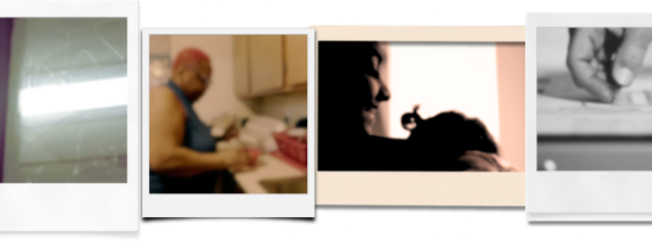
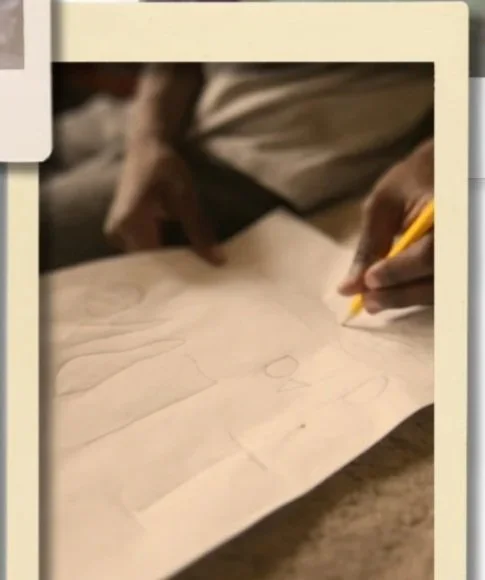
The Way We See works in partnership with public defenders. This is our process.
1
We receive a referral for a client’s case. Our advocacy begins with relationship-building, spending extensive time listening to the individual, their family, friends, and social workers.
2
We then film the client as they share their story; their family as they define their loved one in their own words. Parents who have felt powerless in courtrooms become advocates. Partners and siblings become organized narrators of accountability and support. Clients are supported as the expert storyteller of their own lives. Rather than isolating an individual, we frame the case as one affecting an entire community network and mobilize in support of a humane outcome.
3
We produce a video about 10 minutes in length that the public defender uses as an advocacy tool for their client’s defense. Attorneys commonly provide written mitigation when a client has a past history of abuse, trauma, or neglect. The Way We See shares this vital context through first person accounts, an approach supported by research in psychology and neuroscience demonstrating that visual storytelling is more persuasive in generating empathy, disrupting implicit bias, and enhancing memory.
I feel lighter. You made this a safe space. I needed this. Thank you, thank you.
- Recent client after an interview
Perception shapes policy. Because the way we see is based on what we know and what we believe. And what we know and believe is informed by the media we consume, the stories we are told, and the history we learn. Through grassroots relationship-building, community-centered storytelling, and strategic courtroom advocacy, The Way We See is working to ensure that our clients are viewed with dignity, complexity, and mercy—and that those shifts in perception lead to lasting systemic change.
Our Partners
Brooklyn Defender Services
Brooklyn Defender Services - Queens
Bronx Defenders (forthcoming)
Maricopa County Office of the Public Defender
Equal Justice Initiative
Sing Sing Prison Museum